



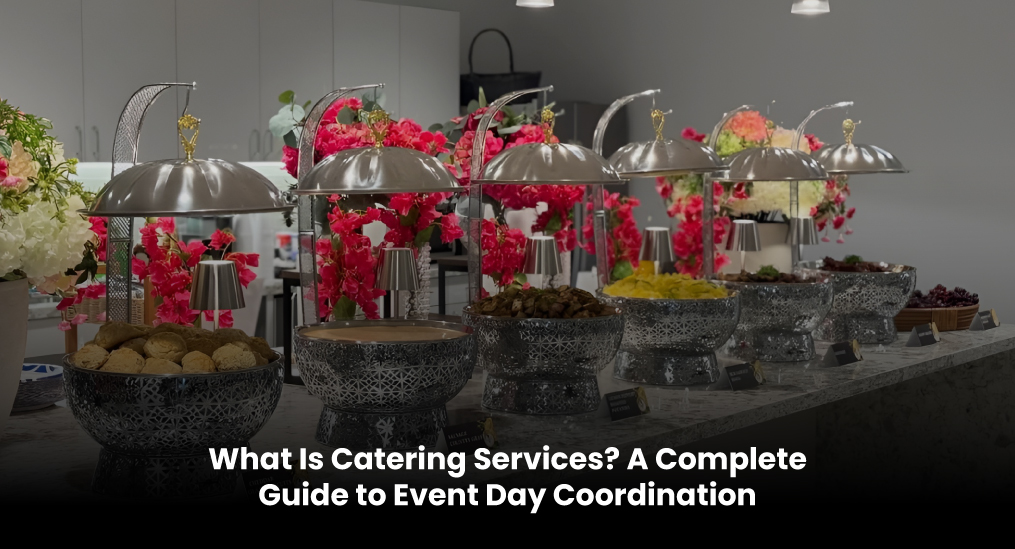
When clients ask what is catering services really like on the day of an event, they’re usually wondering one thing: Will everything run smoothly?
Catering coordination is not just about delivering food. It’s about timing, staffing, logistics, food safety, guest experience, and problem-solving, all happening behind the scenes so guests never notice the moving parts.
Whether it’s a corporate function, wedding, or private celebration, the difference between a stressful event and a seamless one often comes down to how well the catering team coordinates service.
What Is Catering Services?
Catering services refer to the professional planning, preparation, delivery, and on-site management of food and beverage for events. Unlike basic food delivery, catering services include coordination, staffing, equipment setup, service timing, food safety management, and post-event cleanup.
Preparing Before Event Day
When hiring a Catering Service, remember that strong execution starts long before arrival time. Professional catering teams build detailed timelines that include:
- Load-in and setup windows
- Cooking and holding schedules
- Service start and end times
- Cleanup and breakdown plans
- Backup strategies for delays
Chefs finalize prep lists and complete as much advance cooking as possible without sacrificing freshness. Logistics coordinators confirm venue access, kitchen availability, power sources, and layout flow.
For example, when planning Breakfast Catering in Houston, teams review floor plans, table spacing, and service routes in advance, because a morning event does not allow much room for mistakes. Knowing exactly where stations or plated service will run prevents congestion and keeps courses moving on schedule.
Clear pre-event communication also includes confirming dietary needs, final guest counts, and equipment requirements. Teams check dietary restrictions, confirm plate counts, and align on menu execution. Also, a GET ESTIMATION request helps the client visualize staffing and equipment needs before the event, giving both sides a clear plan for the day.
Roles and Responsibilities on Event Day
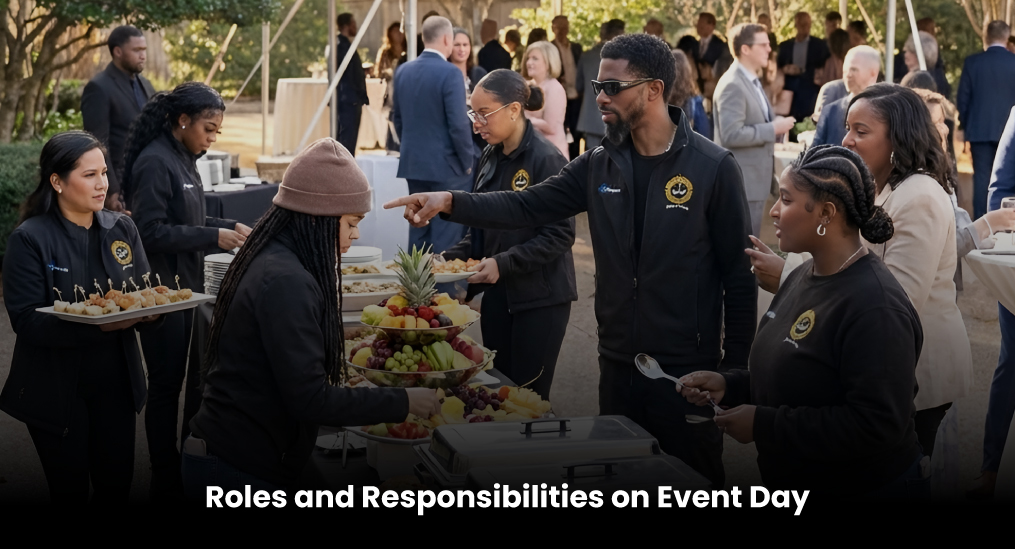
A well-coordinated catering team runs like a structured operation. Everyone has defined responsibilities.
Chefs
- Finish hot preparations
- Monitor food temperatures
- Maintain presentation standards
- Handle dietary-specific plates
Servers
- Manage stations or plated service
- Refill items before they run low
- Clear tables efficiently
- Support guest needs
Logistics Coordinators
- Oversee setup and breakdown
- Manage timeline pacing
- Communicate with venue staff
- Adjust for real-time changes
Without defined roles, even simple events can feel chaotic. With them, service flows naturally.
Arrival, Setup, and Workflow
Event day usually begins with staggered arrivals. Equipment is unloaded first, followed by food and décor elements. Inventory is checked carefully before setup begins.
Tables, buffet lines, and stations are arranged to encourage smooth guest flow. Traffic patterns matter more than most hosts realize. A poorly positioned buffet can cause delays and frustration.
Constant communication between the kitchen and front-of-house ensures food leaves the prep area at the right moment, not too early, not too late.
Managing Timing, Food Quality, and Service Flow
One of the biggest challenges in catering coordination is maintaining food quality while staying on schedule.
Hot food must remain hot. Cold dishes must stay chilled. Plated meals must be served consistently. Refill timing must feel invisible.
This is where people truly understand what is full service catering. Full-service means the catering team manages every detail, setup, staffing, service pacing, and cleanup, so the host doesn’t have to step in.
For events tied to speeches or presentations, coordinators adjust service to match the program. Flexibility is just as important as planning. For example, if you are hosting big events with a large number of guests, your caterer will offer you to book Buffet Catering in Houston.
Coordination With Event Staff Is Crucial To Meet Client Expectations
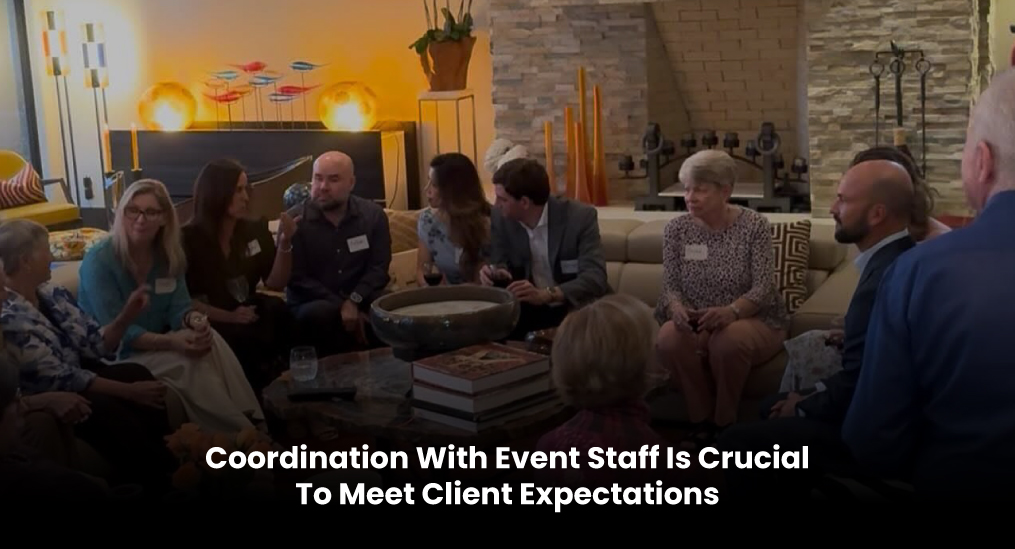
Effective catering depends on constant alignment between staff and client. Logistics coordinators ensure servers are aware of special instructions, timing adjustments, and client preferences. Any deviations in timing, guest count, or equipment availability are handled immediately to prevent service disruption.
For private events, understanding What Is Private Catering? helps clients know which responsibilities they retain and which the caterer handles. Clear communication ensures that service timing, food presentation, and staffing ratios meet expectations, whether for intimate celebrations or larger corporate events.
Full-Service vs. Drop-Off: What’s the Difference?
When clients ask what are the catering services available for their event, the primary distinction usually comes down to drop-off catering versus full-service catering. Understanding the operational differences helps planners select the right level of support.
Drop-Off Catering
Drop-off catering is best suited for informal or low-maintenance events. It typically includes:
- Prepared food was delivered to the venue at a scheduled time
- Disposable or basic serving ware
- Minimal setup (food placed on a table or designated area)
- No on-site staff remaining during the event
- Host responsible for managing refills, presentation, and cleanup
- Limited real-time adjustments if guest count or timing changes
This option works well for office lunches, classroom events, or casual gatherings where structured service is not required. For instance, many people chose drop-off catering styles for Valentine’s Day Catering in Houston.
Full-Service Catering
For larger or more formal occasions, full-service provides comprehensive support. This model defines what is full service catering in practical terms:
- Professional staff for setup and breakdown
- On-site chefs or kitchen team for finishing and plating
- Servers assigned to manage guests and food stations
- Coordinated timeline aligned with speeches or program flow
- Equipment such as chafers, linens, service ware, and display décor
- Continuous monitoring of food quality and replenishment
- Complete post-event cleanup
Understanding what are the different types of catering services will help in keeping expectations in line to the complexity of the event. Informal corporate lunches might just require delivery, whereas weddings, galas, and highly visible business events tend to demand complete staffing, organization, and management.
The selection of the right service model has a direct influence on timing, the guest experience, and the success of the event.
What Kind of Catering Is Perfect for Your Event?
The selection of an appropriate style should be based on the number of guests, the nature of the event, and the degree of service needed. The following are how the various alternatives fit various situations:
Vegan Catering in Houston can be a great option for hosts who organize wellness-themed events or environmentally friendly parties, and when you want all your guests to feel included. Vegan menus can also used in inclusive corporate parties, modern weddings, and social gatherings where veganism is an important factor, and the presentation remains at a high level.
Bridal showers and morning networking events will enjoy the relaxed flexibility of the brunch catering in Houston. Starting with light pastries and spreads, up to complete hot breakfast stations, brunch sets a cozy and yet not too formal tone.
Formal receptions may demand more coordinated timing and smooth transitions between courses, and that is where Wedding Catering in Houston is best suited. Organized service makes cocktail hour, plated dinners, and dessert time to run even without interfering with the party.
Catering Styles for Formal and Structured Events
The BON APPETIT Menu can used in high-end corporate formal dinners or milestone anniversaries: it is a curated, sophisticated experience. It is very appropriate on occasions where hosts desire a unified food theme and a menu that is well-crafted and impressive.
The Dessert Catering in Houston matches sweet-themed events like baby showers, grand openings, or night receptions. Dessert tables are also visually striking and can be used to create an impact, as well as provide the guests with something to take a picture of. If you’re looking for the Best Dessert Catering in Houston, you must definitely contact Keif’s Catering
Japanese Hibachi Catering in Houston makes interactive celebrations more interesting with live cooking which transforms the meal into entertainment. The style is particularly effective on occasions like birthdays, team building events, and even personal parties, which better served by common experiences.
Appetizers and Charcuterie Catering in Houston make cocktail hours, gallery openings, and networking mixers even more lively. Grazing tables promote activity and discussion, as well as provide a visually pleasing spread that is a complement to social interactions.
Conferences and training sessions require efficient service, and Box Lunch Catering in Houston is a reasonable option. The pre-packaged meals make it easier to distribute and maintain the schedule without disrupting the presentations or working hours.
Frequent Challenges Faced in Events and What Coordinators do to Solve them
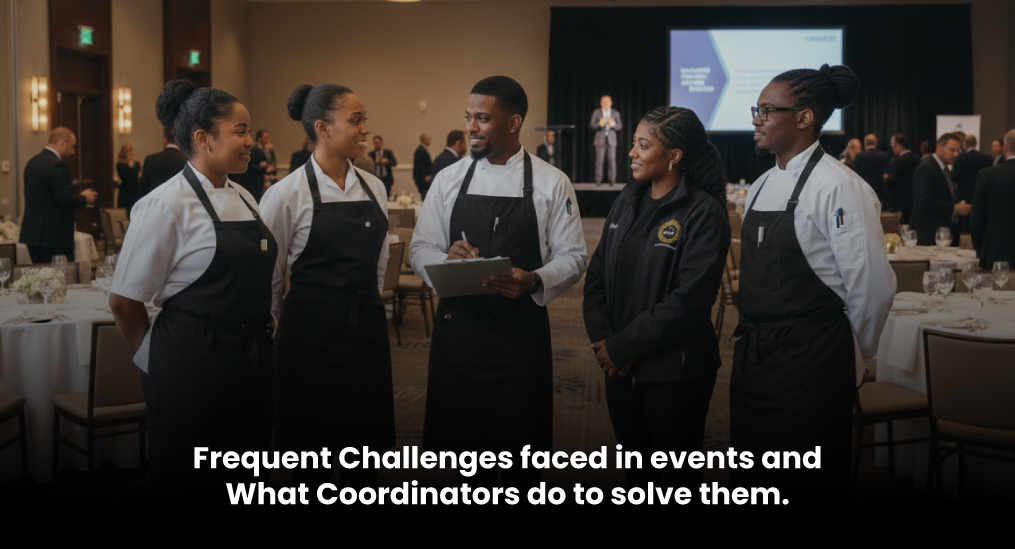
- Late Arrivals: Coordinators re-plan and prepare concurrently to make up.
- Guest Count Changes: Servers adjust portions and refills to actual numbers.
- Temperature Control: insulated carriers are used to retain hot foods warm, and cold foods are displayed on ice.
- Allergy/ Diet Needs: Chefs display dishes with clear labels and have separate preparation areas.
Knowing what are the catering services will deal with such contingencies will assist hosts to foresee problems and select the appropriate style of service.
So What Is Catering Services Execution and Why Does It Matter?
If you’ve ever wondered what is catering services coordination really like, the answer is simple: it’s structured, fast-moving, and detail-driven.
From planning and preparation to service execution and cleanup, experienced teams manage dozens of moving parts so guests can simply enjoy the event.
Understanding what are the different types of catering services allow you to match your event with the right level of support.
The right catering service in houston doesn’t just serve food. They manage timing, logistics, presentation, and guest experience, ensuring your event feels effortless from start to finish.
Tips for Stress-Free, Efficient Catering Management
- Start Early: Confirm menu, staffing, and timeline weeks in advance.
- Assign Clear Roles: Define who handles setup, service, and cleanup.
- Communicate Constantly: Keep the kitchen, servers, and clients in sync.
- Plan for Contingencies: Have spare staff, extra equipment, and backup food ready.
- Leverage Experienced Caterers: For example, How to Find a Local Caterer in Houston with proven operational workflows can reduce day-of stress.
Applying these Key Tips for a Great Event reduces errors and ensures that service remains consistent and professional, even if unexpected issues arise.
When planning your next event, consider Keif’s Catering to provide you with Unforgettable Catering Experiences. Their operational expertise ensures timing, food quality, and service remain consistent from setup to cleanup.
Frequently Asked Question
How do caterers manage last-minute menu changes during an event?
They adjust prep priorities, use backup ingredients, and coordinate quickly between kitchen and service staff to minimize disruption.
What role does temperature control play in on-site catering service?
It ensures food safety and quality. Hot items stay heated, cold dishes chilled, preventing spoilage and protecting guest health.
How are dietary restrictions handled during live event service?
Caterers label dishes clearly, prepare allergen-free meals separately, and brief staff to avoid cross-contact during service.
What are the two main types of catering?
The two primary types are drop-off catering and full-service catering, depending on staffing and service level required.
What is the difference between catering and catering services?
Catering refers to providing food, while catering services include staffing, setup, coordination, and complete event support.