




If you’ve ever found yourself asking what is corporate catering, and whether it’s just “food delivery” with a nicer label, you’re not alone.
The term gets tossed around for everything from boxed lunches to full-scale galas, so it’s worth getting specific.
This guide breaks it down: what it includes, when you need it, what a good menu looks like, and how to plan confidently
What Is Corporate Catering and What It Isn’t?
At its core, corporate catering is professional food service designed for business settings. That might mean feeding a team meeting of 12, hosting a training for 200, or planning an executive reception where presentation matters as much as timing.
Here’s what is typically included:
- Corporate catering menu planning that fits the event type, time of day, and dietary needs
- Food preparation by trained culinary staff
- Packaging or setup designed for groups (not individual restaurant orders)
- Delivery logistics (timing, labeling, equipment, serving needs)
- Optional staffing, rentals, and cleanup depending on the service level
- Other services, like planning corporate theme ideas are also included.
And here’s what it isn’t:
- A random assortment of takeout containers with no plan
- “One-size-fits-all” food that ignores dietary restrictions
- A last-minute order without coordination for timing, setup, or flow
If you’re comparing options online, you’ll often see it grouped under brunch catering menu, but corporate catering can be as simple as daily lunch support or as complex as a multi-station reception.
When Businesses Actually Need Catering
Business events run on schedules, and food is always a part of the agenda. And corporate event catering is built around punctuality, consistency, clear labeling, and a menu that works for a group with mixed preferences.
Corporate catering shows up in more places than people realize. It’s not just conferences.
1. Meetings and working lunches
The goal is minimal disruption: easy to serve, easy to eat, and not messy. This is where labeled boxes or neatly arranged platters shine.
2. Trainings, orientations, and all-hands
These events need volume, variety, and reliable replenishment. Think of food that holds well and doesn’t require constant attention.
3. Client-facing events and receptions
This is where details matter: portioning, presentation, and service style, plus thoughtful add-ons like catering appetizers that feel polished without turning into a full meal.
4. Employee appreciation and milestone moments
Remember that you’re feeding people, but you’re also sending a message. A menu that’s considerate, including dietary needs, often lands better than something extravagant. Consider opting for vegan catering houston people love the most.
5. Early mornings and mid-day hybrids
For morning meetings, breakfast catering houston searches spike because timing is tight and people expect food to be ready when they walk in. For late-morning events, a flexible brunch can bridge breakfast and lunch without feeling awkward.
Corporate Catering Service Styles Explained
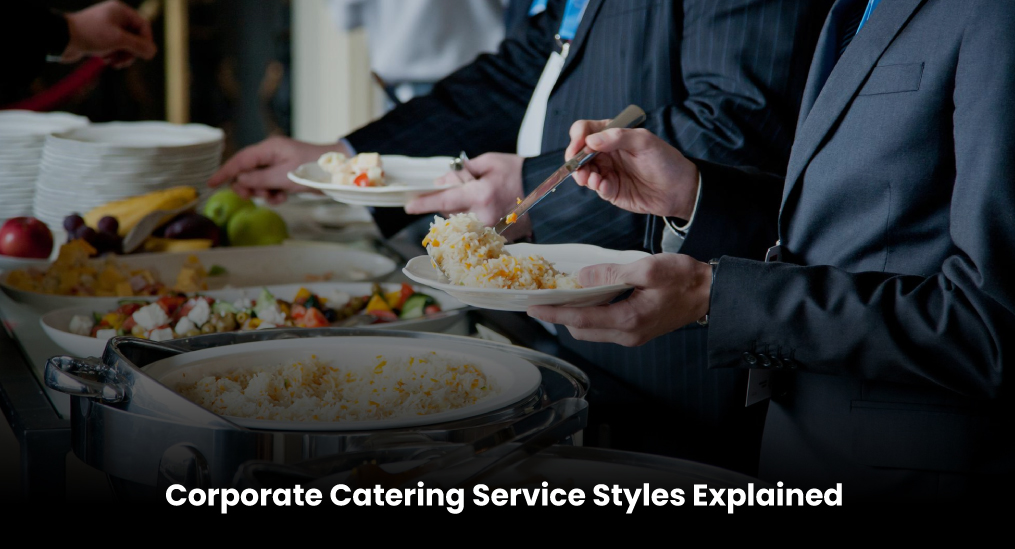
A big part of planning is choosing the service format. Here’s a simple breakdown:
1. Boxed lunches
Individual meals are easy to distribute, easy to track, and great for meetings where people may grab-and-go. This is why Corporate Box Lunch Catering Houston is a common solution for offices that want structure and speed.
2. Platters and family-style spreads
These work well for teams that can take breaks at different times. They feel communal and reduce packaging.
3. Buffet setups
For enterprise-level businesses or training and longer events, buffet catering is popular because it supports variety and repeat servings. The key is thinking through traffic flow, serving utensils, and how the food holds over time.
A quick Corporate Event Catering check
When looking for corporate catering near me in Houston, here is how to find a local caterer:
Ask Questions That Clear Your Curiosity
- Will the venue allow warming equipment?
- Do you need attendants to manage replenishment?
- Is there space for a line that won’t block the schedule?
- Can you deliver on time to my building?
- Do you know local venues and loading rules?
- Will everything be labelled, complete, and meeting-ready?
- What’s included in setup and serving supplies?
- How do you label allergens and dietary options?
- What foods travel best for my delivery distance?
- Can you accommodate last-minute headcount changes?
If a caterer answers these clearly, you’re in good hands.
Reception stations or passed bites
Ask your caterer if they offer options for networking events where people are standing, moving, and talking.
Diverse Corporate Catering Menu
When booking for local catering services in Houston, a corporate menu should be less about “wow” and more about working well for the room. The best corporate menus balance:
- Familiar anchors (something most people will eat)
- A few elevated options (to keep it interesting)
- Dietary inclusivity (without making it complicated)
- Food that travels and holds at the right temperature
The most overlooked detail: pacing
A 45-minute meeting needs food that people can eat quickly. A four-hour training needs variety and a plan for energy dips (snacks, coffee, something sweet later).
Cater to Dietary Needs
If your group includes vegetarians or dairy-free eaters, don’t treat it like an afterthought. In Houston, especially, it’s common to build in one or two plant-forward options; vegan catering in houston isn’t niche anymore, it’s a practical way to make sure everyone’s covered.
Always Include Desserts
Dessert can reset the room’s energy and create a natural “break moment.” If you’re building a package, a clear dessert catering menu helps you choose items that don’t melt, crumble, or require plates and forks for everyone.
If you’re trying to make an impression for a client event, you might even source from Keif’s Catering, the Best Dessert Caterers in Town, when seeking something memorable without overcomplicating the meal.
Houston-Specific Factors That Affect Corporate Catering
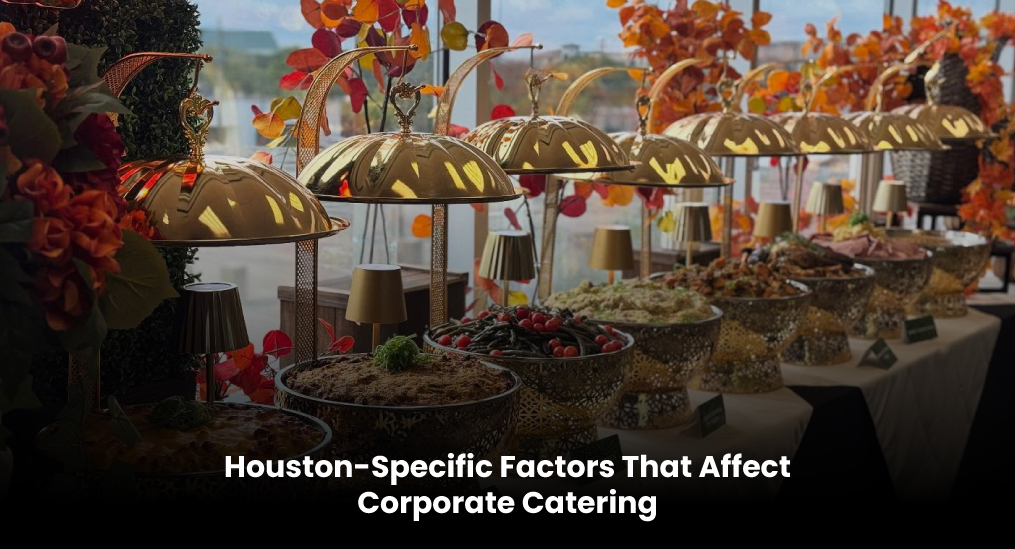
Houston has its own unique catering realities: a sprawling geography, unpredictable traffic, and a diverse range of office setups, including downtown towers, medical district buildings, and suburban campuses.
So when people search corporate catering houston, they’re often looking for vendors who can manage:
- Delivery timing buffers (because a 15-minute delay can derail a meeting)
- Building access rules (security desks, elevators, loading docks)
- Set up constraints (limited kitchen space, no onsite staff)
- Heat and humidity considerations for transport and holding
And to have all that in any affordable catering in Houston feels impossible. But Keif’s Catering has earned that trust through consistent logistics, clear menus, and calm communication when details change.
When comparing options for Local Catering Services in Houston, the best value is the vendor who makes the event easier, not the one that simply quotes the lowest per-person rate.
How to plan a successful corporate catering menu?
Once you’ve chosen a service style, planning becomes a sequence of small decisions. Here’s the framework professionals use when they can’t decide on how to order catering.
1. Start with the meeting goal
What is corporate catering for you? Is it about speed, morale, client impression, or convenience? That answer drives everything else.
2. Confirm logistics before you finalise the menu
You’ll save time if you line up:
- Date, time, and exact delivery window
- Headcount range (and who can approve changes)
- Venue rules (setup space, trash, parking, elevator access)
3. Build the menu around the “majority + alternatives” rule
Pick one or two crowd-pleasers, then add alternatives that cover common needs (vegetarian, gluten-sensitive, dairy-free). If you’re unsure, ask your caterer how to plan a corporate event menu based on your specific group.
4. Add one small “thoughtful” touch
This is where details matter: a seasonal side, a better beverage option, or a short list of catering theme ideas that fit the company culture without feeling forced.
5. Place the order with clarity
If you’ve ever wondered how to order catering “the right way,” it’s mostly about being explicit:
- Confirm what’s included (utensils, plates, serving tools, labels)
- Ask how changes are handled
- Request a final confirmation the day before
- For budget and approval workflows, many teams prefer a quick quote step to Get Estimation so stakeholders can sign off before the final headcount is locked.
Private Events vs. Corporate Events

Corporate catering overlaps with weddings and private parties in food quality, but the planning priorities are changed. Corporate events prioritise timing, reliability, and consistency; private events often prioritize personalization and pacing.
If you’re planning something non-corporate, it’s better to ask a professional on How to Plan a Private Menu Houston corporations would love, to avoid mixing assumptions (for example, a wedding-style menu doesn’t always work for a 60-minute lunch-and-learn).
Key Takeaways
If you’re still refining your plan, keep in mind these Key Tips for a Great Event.
- Corporate catering is business-focused food service built around schedules, groups, and logistics.
- The best menus balance crowd-pleasers with dietary inclusivity and foods that hold well.
- Service style matters: boxes for speed, platters for flexibility, buffets for variety, stations for networking.
- In Houston, timing, building access, and travel distance can make or break the experience.
- Asking the right questions and planning logistics before the menu helps reduce stress fast.
And if you’re still curious about why Houston businesses choose Keif’s Catering, know that they are known locally for making planning feel straightforward, with clear menu structures, dependable execution, and chef-crafted food that’s designed to travel and serve well—insights also explored in What Is Corporate Catering? A Complete Guide to Event Success.
Frequently Asked Question
What types of events typically require corporate catering?
Meetings, trainings, conferences, client receptions, onboarding sessions, and employee events where food must align with schedules and group needs.
How do catering costs vary across different US regions?
Costs vary by city, labor, and food prices. Major metros are higher, while suburban or smaller markets often offer lower per-person rates.
What dietary options are commonly offered in corporate catering?
Most caterers offer vegetarian, vegan, gluten-free, dairy-free, and allergen-labelled options to accommodate diverse teams.
What is an example of corporate catering?
A boxed lunch delivery for a team meeting, a buffet for training sessions, or passed appetisers at a client networking event.
How far in advance should I book catering for a large conference?
Large conferences should book 2–6 weeks ahead to secure menus, staffing, rentals, and accommodate headcount changes smoothly.
Can you provide staffing and equipment for the event?
Yes, many corporate caterers offer servers, chefs, warming equipment, rentals, setup, and cleanup depending on service level.